
How Outdoor Play Supports Children's Mental Health
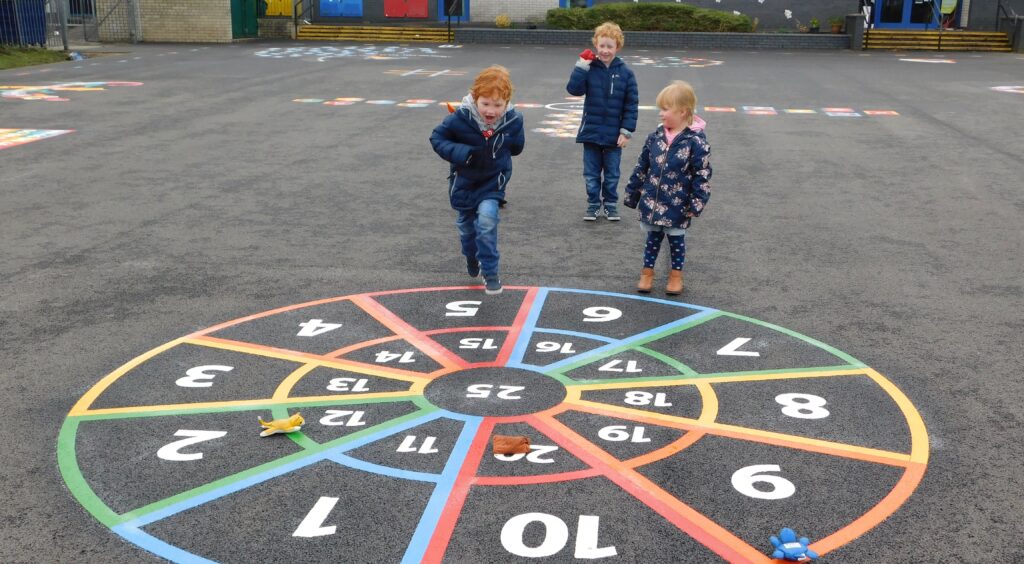
Outdoor play supports children's mental health by combining daylight, physical activity and time with friends, three things that lift mood, ease stress and build confidence. For a school, a well designed playground turns every break and lunchtime into a regular chance for pupils to get those benefits.
Below we look at why outdoor play matters for wellbeing and how playground markings can help schools build it into the school day.
Why does outdoor play matter for children's mental health?
Outdoor play matters for children's mental health because the school years are when children learn about themselves and the world, and develop the physical and emotional responses that can stay with them for life. Place2Be, the children's mental health charity, reports that 1 in 5 children and young people now have a probable mental health condition.
Mental health in young people is a complex area with many causes, and no single activity is a cure. What schools can do is give every pupil daily time outdoors that is active, sociable and enjoyable. That is why more schools are looking for ways to help pupils understand their own wellbeing as part of the normal school day, and the playground is one of the easiest places to start.
How does outdoor play lift children's mood?
Outdoor play lifts children's mood by giving them fresh air and daylight, and daylight is the body's natural source of vitamin D, which plays a part in producing serotonin, the chemical often called the "happy hormone". Low vitamin D levels have been linked with low mood, depression and anxiety.
Put simply, children who play outside more often get more daylight, and that supports a better mood. Time outdoors also helps children notice and regulate their emotions and understand how they are feeling, especially when play gives them a break from the pressures of the classroom.
How does physical activity on the playground reduce stress and anxiety in children?
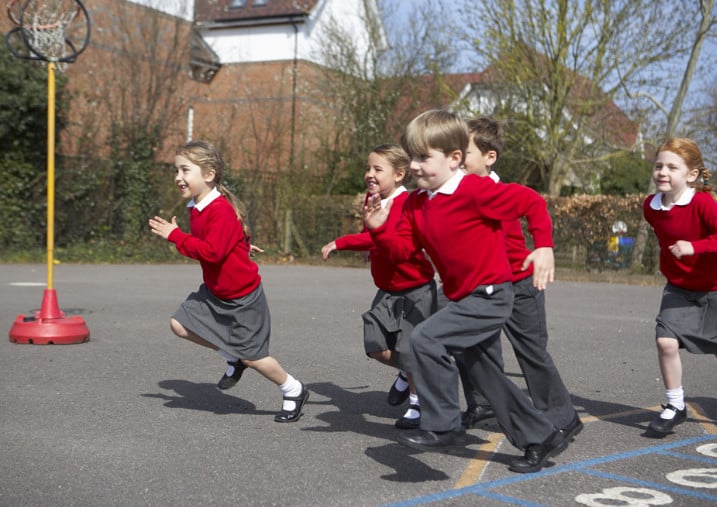
Physical activity on the playground reduces stress and anxiety in children because exercise boosts mental wellbeing as well as physical health, and breaktime is the one part of the school day when every pupil can be active. Many of the schools we work with have found that encouraging pupils to be more active at break has helped reduce symptoms of stress and anxiety.
A child's physical fitness has a major effect on their mental health, and school breaks are the perfect time for regular aerobic exercise. A well designed, attractively marked playground is far more likely to get children running around than an empty one. Mile tracks are a good example: Daily Mile track markings give every class a simple, measured route for The Daily Mile, the popular initiative that gets children running or jogging outdoors during the school day.
Other markings that raise activity levels include traditional playground games, hopscotch, target games, maths games and mazes. Because markings can be designed for every year group, they work for children of all ages.
Why is social play important for children's mental health?
Social play is important for children's mental health because loneliness and isolation are major factors in many mental health problems, and the playground is where children learn to get on with their peers. Friendships made in the school playground can last a lifetime and become the support network we all need.
Group play and games should be a key part of outdoor learning and play, and every pupil, whatever their ability, should be able to join in. Playing in teams builds communication and confidence in social settings, and children who are comfortable with others are better placed to talk about how they feel.
The benefits schools tell us they see from playground markings include:
- More group play
- Growing confidence
- Support for classroom learning
- Higher activity levels
- Key social skills such as teamwork and communication
- Creative and imaginative play
How can playground markings help pupils talk about their feelings?
Playground markings help pupils talk about their feelings by putting prompts, emotion trails and PSHE designs into the space where children already play, which makes conversations about emotions feel normal rather than formal. Our team is increasingly asked for mindfulness markings that invite pupils to explore their emotions at break and playtime.
Being self-aware means knowing what we are good at and what we find difficult, our likes and dislikes, what brings us joy and what makes us sad, and our fears, hopes and dreams. Our emotions tell us much of this, and learning to listen to and express them is a big part of building resilience. Markings that name feelings give children the words to do it, and give staff a natural way into the conversation. Our article on encouraging self-awareness at your school has more ideas.
Calm zones matter too. Quiet areas, sensory paths and simple markings give children who find a busy playground overwhelming somewhere to settle. Our sensory and SEND playground markings are designed for exactly this, and because we design everything in-house we can create bespoke markings for a school's own mental health initiatives.
How can schools use Children's Mental Health Week on the playground?
Schools can use Children's Mental Health Week on the playground by tying the week's activities to emotion and PSHE markings, so the conversations started in class carry on at break. The week is run by Place2Be and was launched in 2015 to help children across the UK share their voice.
The week focuses on encouraging children to talk, communicate and share their feelings, and playtime is a natural place to highlight that. Place2Be publishes free resources for schools on the Children's Mental Health Week website, which work well alongside playground markings that already prompt children to talk about how they feel.
What makes a school playground good for pupils' mental health?
A school playground is good for pupils' mental health when it offers a mix of active, social, creative and calm spaces, so every child can find the kind of play they need on a given day. The design should suit all year groups and abilities, not just the most confident players.
- Active areas such as mile tracks, courts and traditional games that get children moving.
- Social games such as board games and team games that need turn-taking and co-operation.
- Creative and learning markings such as maths games, mazes and trails that support classroom learning through play.
- Calm spaces with sensory paths and emotion prompts for children who need a quieter break.
Our playground markings can bring education, creativity and active play together in a single playground, whatever space you have available. For more on planning spaces that work for every child, read our guide to inclusive playground design for wellbeing.
How can Uniplay help a school support mental health through play?
Uniplay helps schools support mental health through play by designing and installing thermoplastic playground markings that get pupils active, playing together and talking about their feelings. Our philosophy is "to see children of all abilities develop essential skills through play".
We work with primary schools throughout the UK to create bespoke playgrounds, and our in-house team designs, manufactures and installs every marking. To talk about markings for your school's wellbeing plans, call 0333 321 6699 or email info@uni-play.co.uk.
See the full range in our brochure
Download our brochure for the full thermoplastic range, from games and sports courts to sensory and educational markings. Get a free design and quote whenever you are ready.
All prices include installation, and every quote is fully itemised.
- Full range in one PDF
- No obligation
- Free design and quote when you are ready
More from the blog
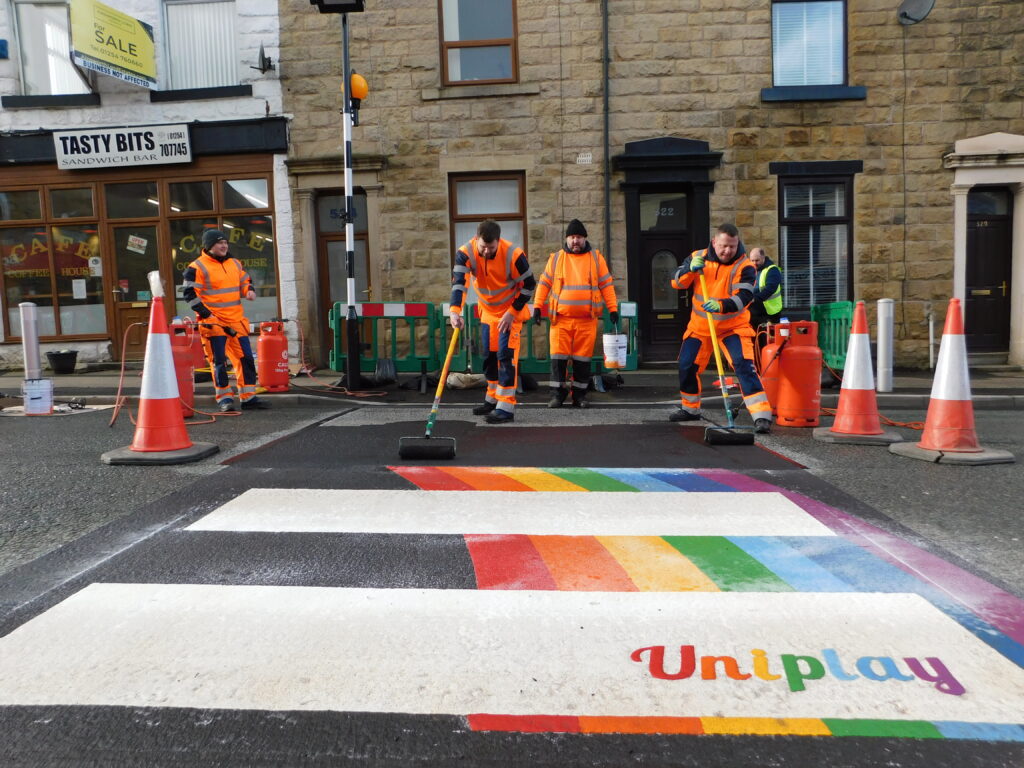
How to Choose a Road Marking Contractor in the UK
What to look for in a road marking contractor: experience, reputation, services, thermoplastic materials, regulations and the questions to ask first.
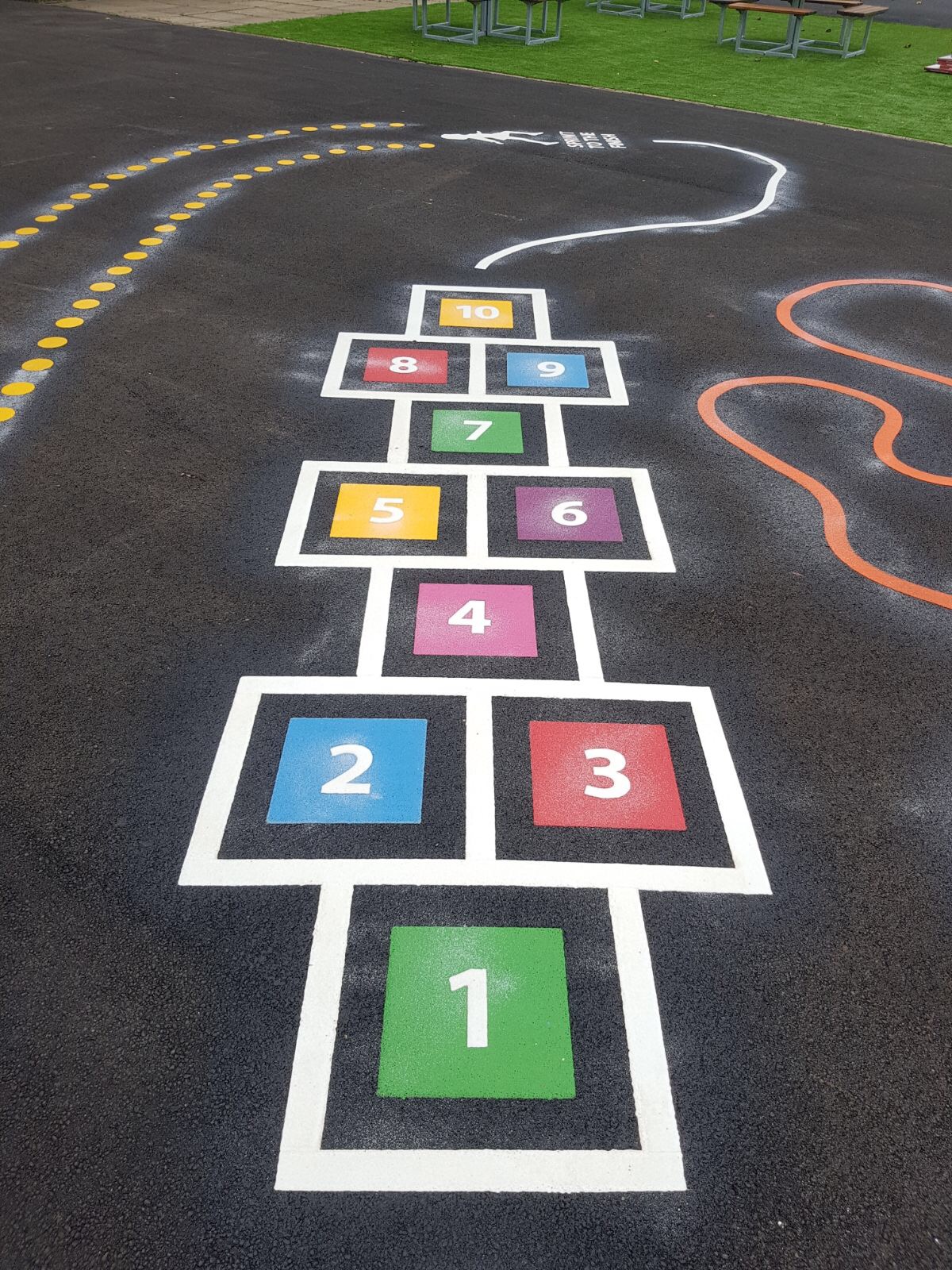
How to play hopscotch
Hopscotch is a classic playground game which has some interesting origins. It first came to the UK during Roman times, though it is said to have originated in
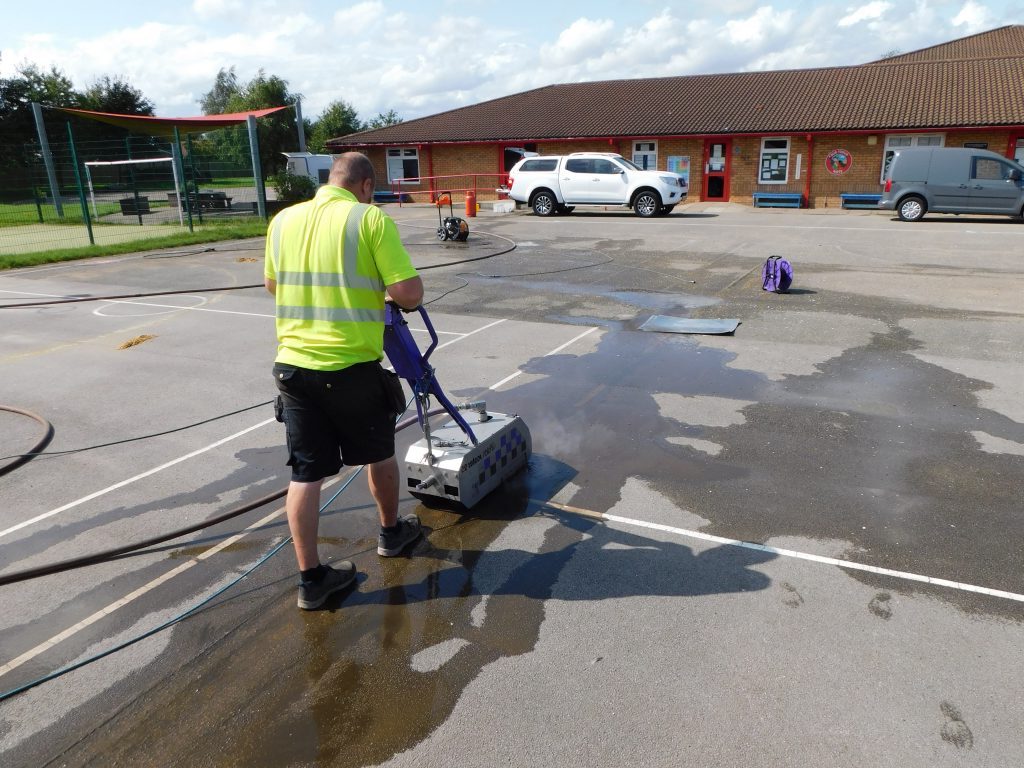
How to Remove Playground Markings
We can remove playground markings using different methods to suit your needs. Once we have removed old markings, we also ensure your playground is clean by